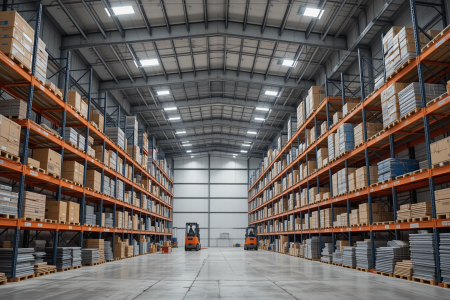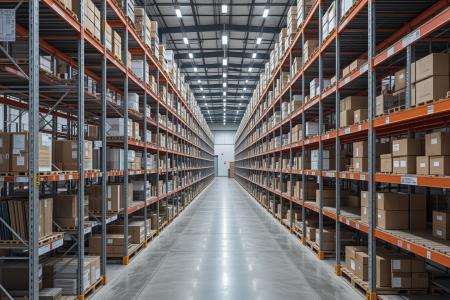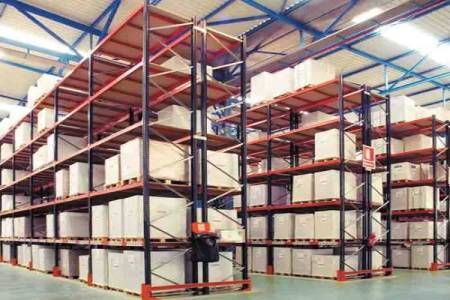

Storage rooms often lose a surprising amount of usable space to permanent aisles. Traditional static shelving requires fixed access space between rows, which can reduce the amount of inventory that fits within the same floor area.
A mobile compactor takes a different approach. Instead of keeping every aisle permanently open, the shelving units move so that an access aisle is created only where it is needed.
Both systems have advantages, and the right choice depends on storage density, access frequency, product type, floor conditions, and how many people need to use the storage area at the same time.
What Is Static Shelving?
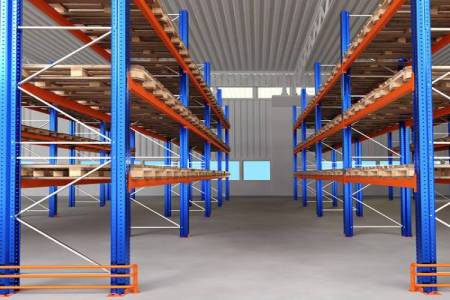
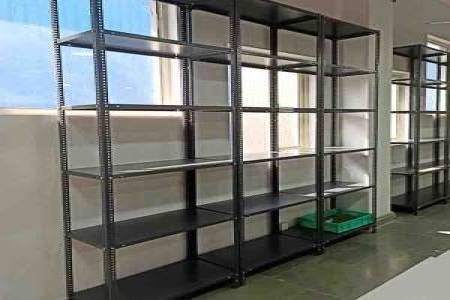
Static shelving consists of fixed storage units arranged with permanent aisles between them.
These systems are widely used because they provide immediate access to multiple storage rows and are easy to understand and operate.
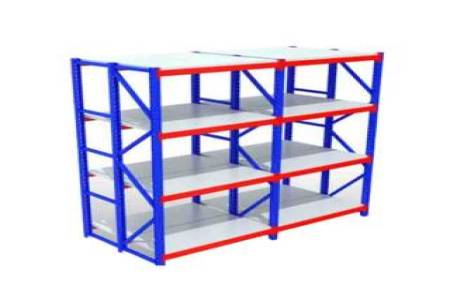
An industrial shelving system can be suitable for storing:
- Components
- Tools
- Small cartons
- Spare parts
- Supplies
- Manually picked products
The shelving design should always match the size, weight, and handling requirements of the stored goods.
What Is a Mobile Compactor Storage System?
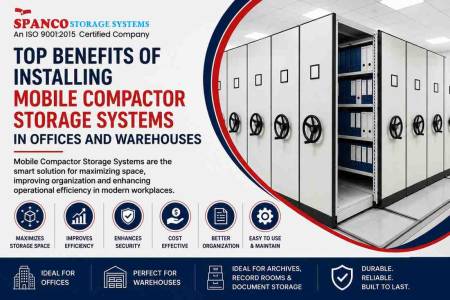
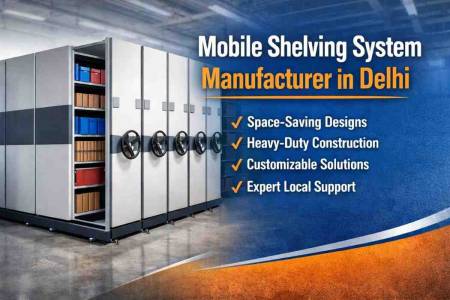
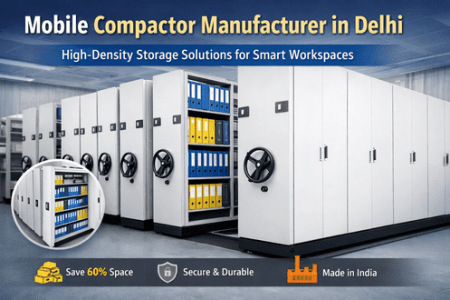
A mobile compactor is a high-density storage system in which storage units are mounted on movable bases or tracks.
Instead of maintaining a fixed aisle between every row, the units can be moved to create one or more access aisles when required.
A mobile compactor can help reduce the amount of floor space used for permanent aisles and increase the amount of storage that fits within the same room.
How Does a Mobile Compactor Save Floor Space?
Traditional shelving layouts may require several permanent aisles so users can access every row at any time.
With mobile storage, the units remain positioned close together and only the required aisle is opened.
This can reduce wasted aisle space and allow more storage units to fit within the available floor area.
The actual increase in storage capacity depends on:
- Room dimensions
- Number of shelving rows
- Aisle requirements
- Storage unit dimensions
- Load capacity
- Track and base configuration
When Is Static Shelving the Better Choice?
Static shelving can be more practical when fast and simultaneous access is important.
Because every aisle remains permanently open, multiple employees can access different sections without moving storage units first.
Static shelving may be suitable when:
- Products are picked continuously
- Access speed is critical
- Several employees need access at the same time
- Inventory changes frequently
- Floor space is not a major limitation
For many warehouses, workshops, and production areas, the simplicity of fixed shelving remains a practical advantage.
When Should You Consider a Mobile Compactor?
A mobile compactor may be worth considering when storage density is more important than keeping every aisle permanently accessible.
It can be useful when:
- Floor space is limited
- More storage capacity is needed within the same room
- Not every storage row requires constant access
- Large quantities of records or components need organization
- Expanding the storage room is difficult
The best application depends on how frequently the stored items need to be retrieved.
Can Mobile Compactors Be Used for Industrial Components?
Yes, depending on the design, load capacity, and type of material being stored.
Mobile compactors can potentially be used for:
- Spare parts
- Small industrial components
- Tools
- Records
- Supplies
- Packaged materials
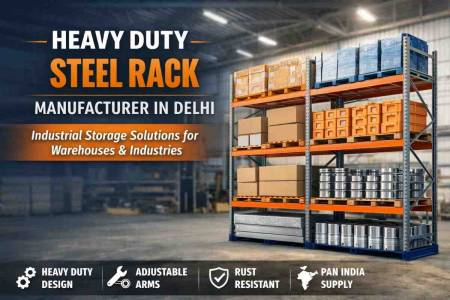
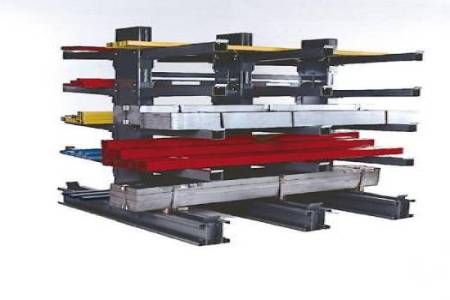
However, very heavy or bulky goods may require a stronger industrial storage rack instead.
Product weight and dimensions should always be checked before selecting the storage system.
Which System Provides Faster Access to Inventory?
Static shelving usually provides faster direct access because all aisles remain open.
With a mobile compactor, the required aisle must first be opened before the storage row can be accessed.
This difference may be small for occasional retrieval, but it can become important in high-frequency picking environments.
If employees need to access many different storage rows continuously throughout the day, static shelving may provide a more efficient workflow.
Which Storage System Uses Floor Space More Efficiently?
Mobile compactors generally provide higher storage density because they reduce the number of permanent aisles.
This can be especially useful in areas where additional floor space is expensive, unavailable, or difficult to create.
Static shelving uses more floor area for access, but that additional aisle space can improve simultaneous accessibility.
The better system therefore depends on whether your main priority is maximum storage density or immediate access.
How Important Is Floor Load Capacity?
Floor load capacity is an important consideration for any high-density storage system.
Concentrating more inventory into a smaller area can increase the load placed on the floor.
Before installing a mobile compactor or any high-capacity storage system, evaluate:
- Total stored weight
- Weight per storage unit
- Floor construction
- Load distribution
- Track or base requirements
The system should be designed according to the actual floor conditions and intended storage load.
Can Mobile Storage Improve Inventory Organization?
Yes. Mobile storage can improve organization when shelving sections are clearly divided and labelled.
Items can be grouped according to:
- Department
- Product category
- SKU
- Document type
- Component type
- Frequency of access
Creating defined storage locations can make it easier to identify inventory and return items to the correct position.
What Should You Consider Before Replacing Static Shelves?
Before switching to a mobile compactor, assess how the storage area is currently used.
Consider:
- Current storage volume
- Available floor space
- Number of existing aisles
- Retrieval frequency
- Number of simultaneous users
- Product dimensions
- Product weight
- Floor load capacity
- Expected inventory growth
A mobile system should not be selected only because it can increase storage density. Daily accessibility and operational convenience are equally important.
Can Static Shelving and Mobile Compactors Be Used Together?
Yes. A mixed storage strategy can be more practical than using one system for every type of inventory.
Frequently accessed products can remain on static shelving, while less frequently used inventory can be placed in a higher-density mobile storage area.
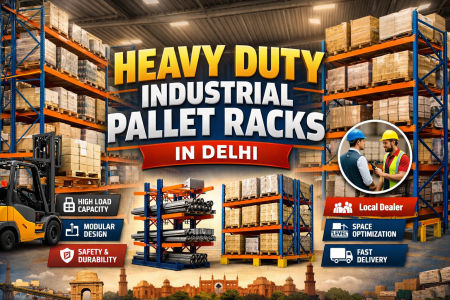
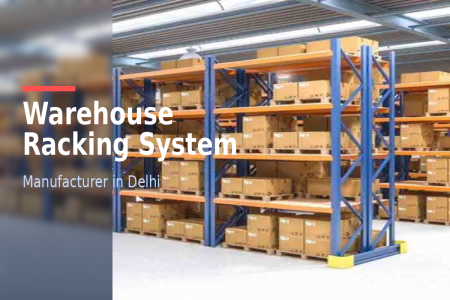
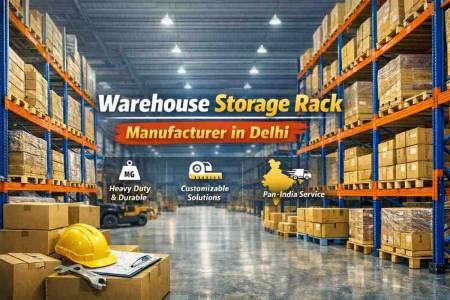
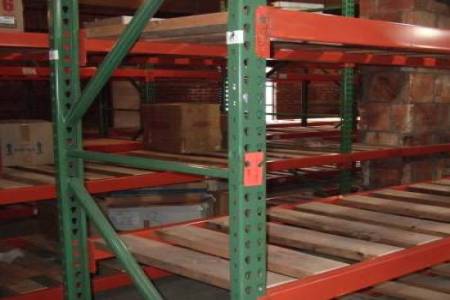
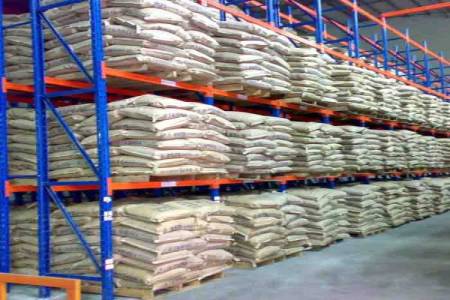
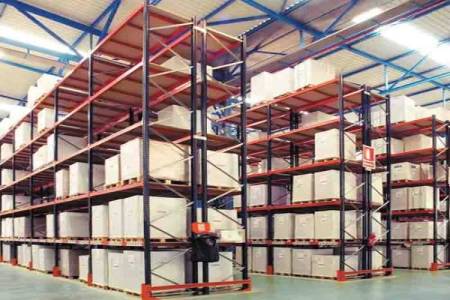
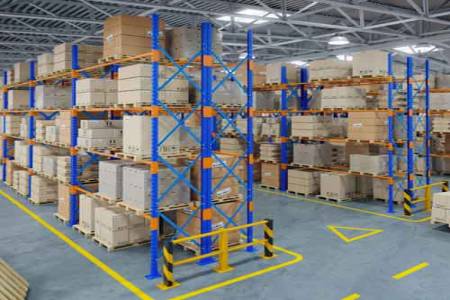
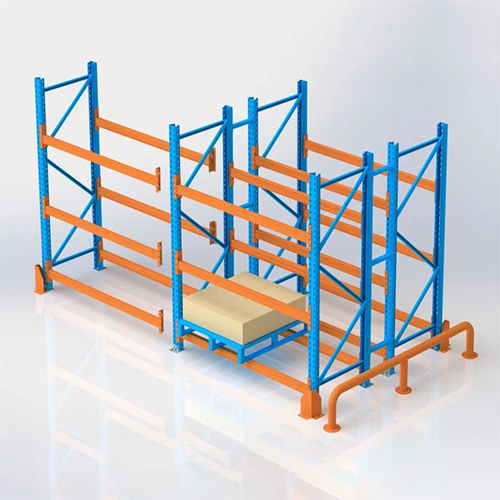
Warehouses may also use warehouse pallet racks for bulk palletized goods while using compactors or shelving for smaller items.
This approach allows each storage system to be used where it provides the most value.
Which Storage System Is Better for a Growing Business?
The best option depends on the type of growth the business expects.
If inventory volume is increasing but floor space is limited, a mobile compactor may help increase storage density without expanding the room.
If the business expects more employees, faster picking, or higher access frequency, static shelving may provide more operational flexibility.
Future storage requirements should therefore be considered before selecting either system.
Should You Choose a Mobile Compactor or Static Shelving?
Choose the system according to how your inventory is stored, accessed, and moved.
Static shelving is generally better when continuous access and multiple open aisles are important.
A mobile compactor may be more suitable when maximizing storage capacity within limited floor space is the priority.
Spanco Storage Systems provides mobile compactors, industrial shelving, pallet racks, and other storage solutions for different warehouse and industrial applications.
Evaluating available floor space, load requirements, access frequency, and future growth can help you select a storage system that remains practical over the long term.