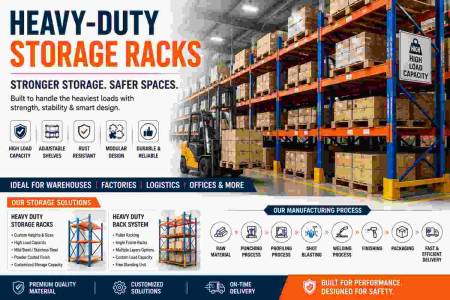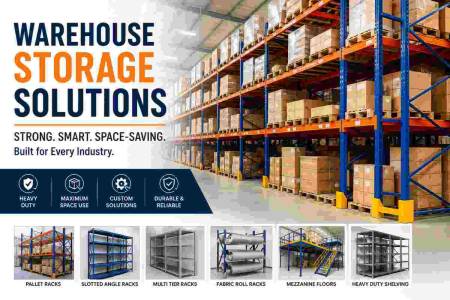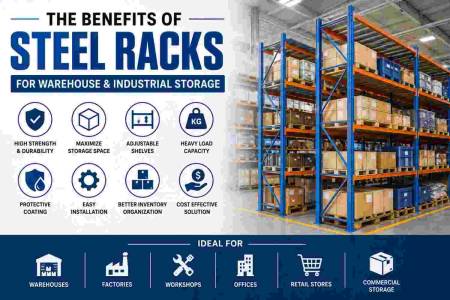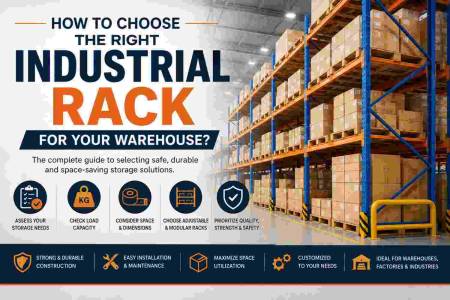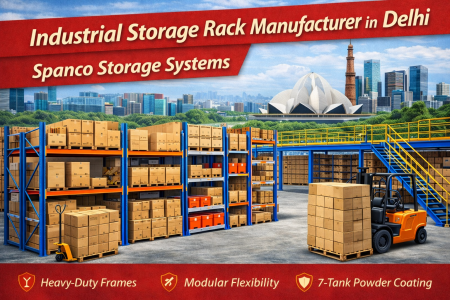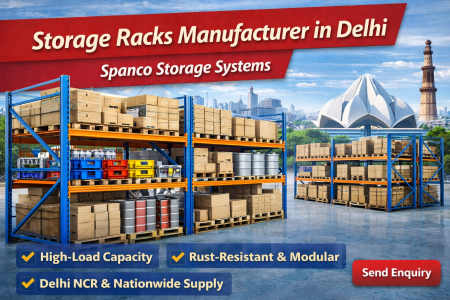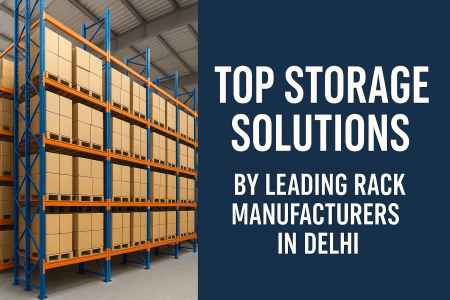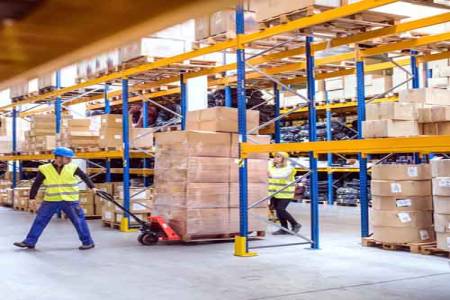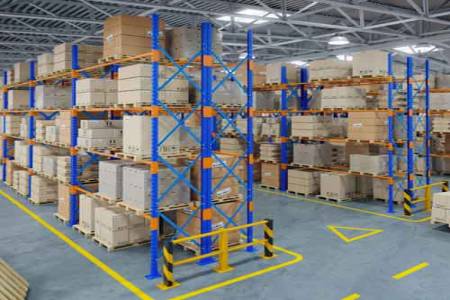

When warehouse space starts running out, businesses usually look for ways to use the available height more effectively. Two common options are pallet racking and mezzanine floors.
Both solutions can improve storage capacity, but they solve different problems. Pallet racking creates multiple levels for palletized inventory, while a mezzanine floor creates an additional usable platform inside the warehouse.
Choosing between the two depends on your inventory type, handling process, available height, load requirements, and how the space will be used.
What Is a Pallet Racking System?
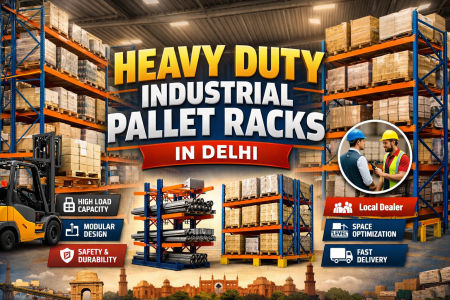
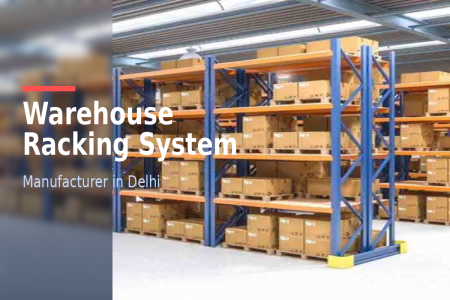
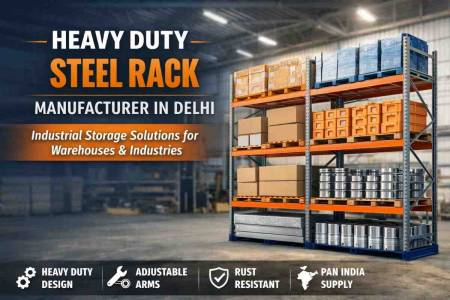
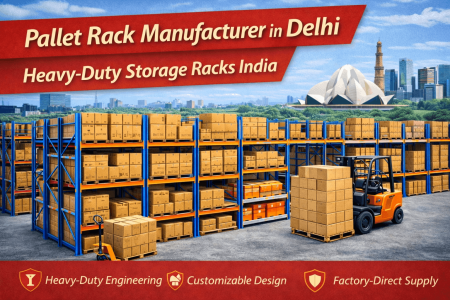
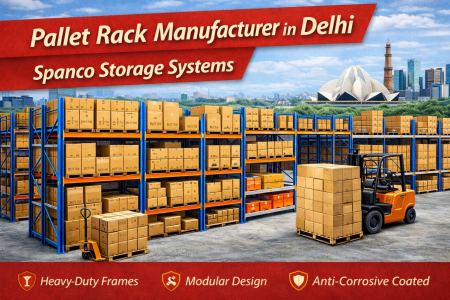
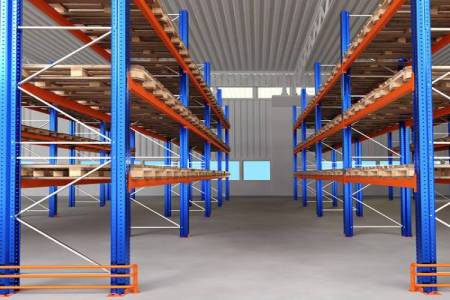
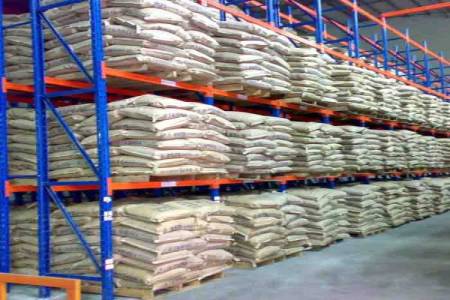
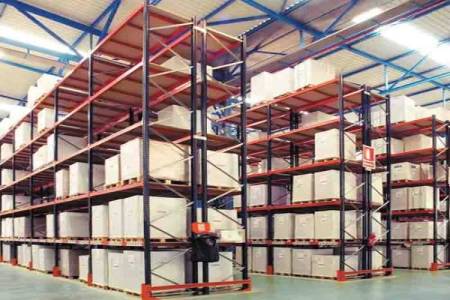
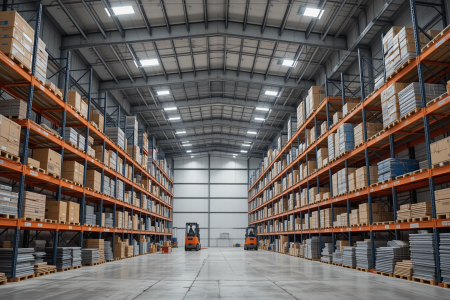
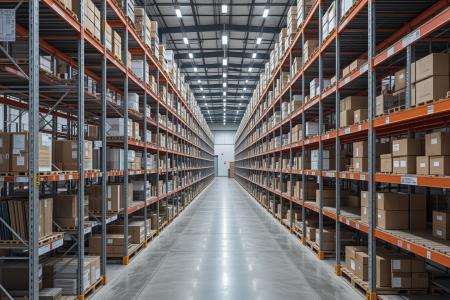
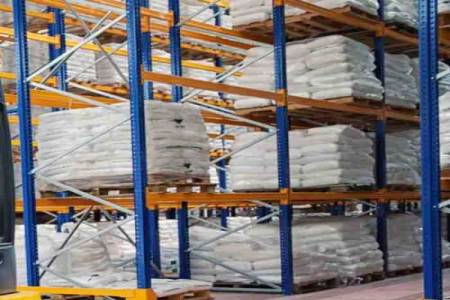
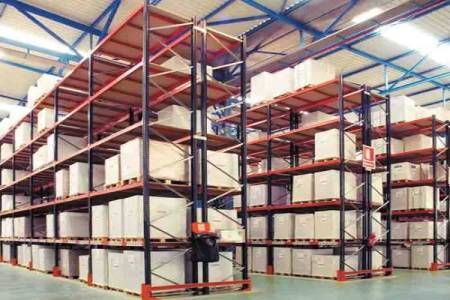
A pallet racking system is designed to store palletized goods vertically in multiple levels.
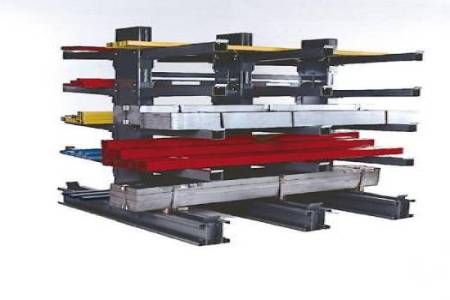
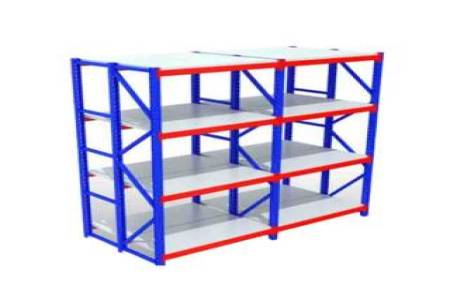
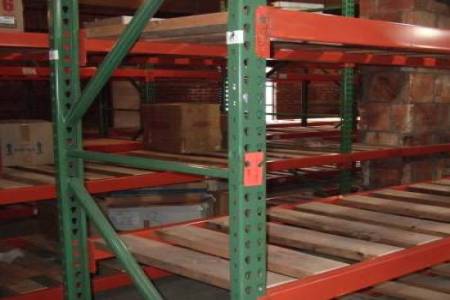
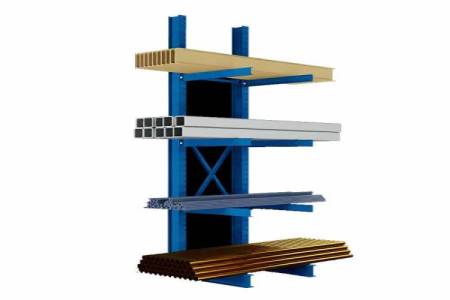
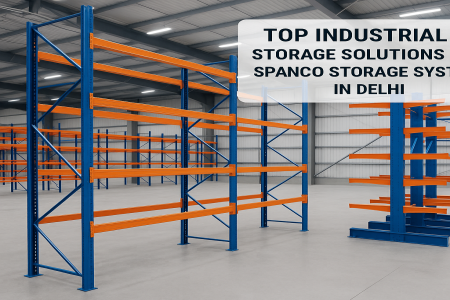
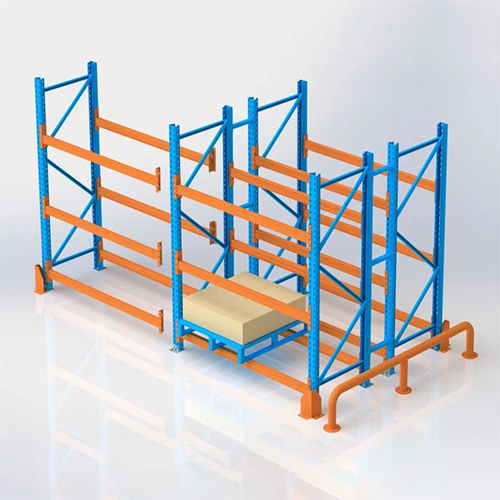
A warehouse pallet rack typically uses upright frames and horizontal beams to create organized pallet positions that can be accessed using forklifts or other material-handling equipment.
Pallet racking is commonly used for:
- Raw materials
- Finished goods
- Bulk cartons
- Manufacturing inventory
- Distribution stock
What Is a Mezzanine Floor?
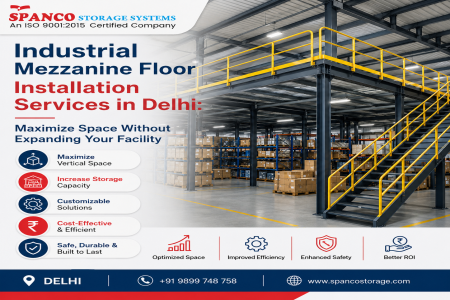
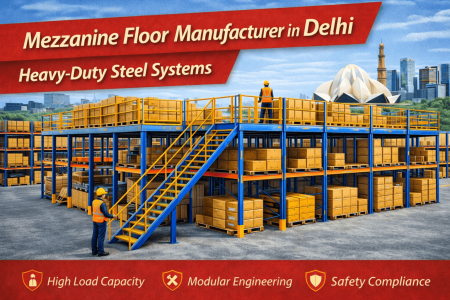
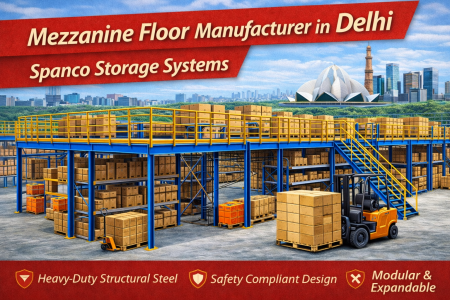
A mezzanine floor is an elevated platform installed within the existing height of a warehouse or industrial facility.
Instead of creating only storage levels for pallets, a mezzanine creates an additional usable floor that can support storage, shelving, work areas, or operational activities.
A heavy-duty mezzanine floor can be useful when a facility has sufficient vertical clearance but limited floor space.
What Is the Main Difference Between a Mezzanine Floor and Pallet Racking?
The biggest difference is how the available vertical space is used.
Pallet racking creates multiple dedicated positions for storing pallets.
Mezzanine flooring creates an elevated platform that can be used as an additional floor.
If your main requirement is organized pallet storage, pallet racking may be the better option. If you need extra usable space for people, shelving, packing, or smaller inventory, a mezzanine may be more suitable.
Which Option Is Better for Palletized Inventory?
Pallet racking is generally more suitable for warehouses where most inventory is stored and moved on pallets.
It allows forklifts to place and retrieve goods directly from designated rack levels.
Before choosing a pallet rack configuration, consider:
- Pallet dimensions
- Pallet weight
- Total number of pallets
- Forklift access
- Inventory turnover
- Available warehouse height
The rack design should match the actual load and handling requirements of the facility.
Which Option Is Better for Small Parts and Manual Picking?
A mezzanine floor can be more practical when a business needs additional space for smaller products, components, or manually picked inventory.
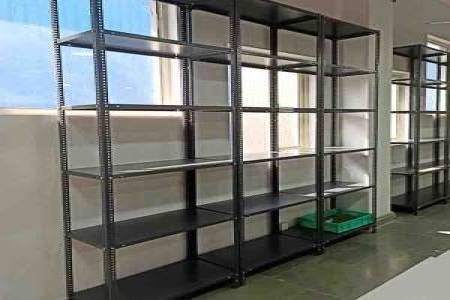
For example, the mezzanine level can be equipped with an industrial shelving system while the ground floor remains available for pallet storage or other operations.
This type of layout can make better use of both vertical and horizontal warehouse space.
Which System Makes Better Use of Warehouse Height?
Both pallet racks and mezzanine floors can improve the use of vertical space.
The better option depends on what you need to store and how the space will be accessed.
Pallet racking is usually more suitable when the available height needs to hold additional pallets.
A mezzanine is more appropriate when you want to create another working or storage level inside the warehouse.
Some facilities may also use both systems in different areas.
How Does Forklift Access Affect the Decision?
Forklift access plays an important role in choosing between pallet racking and mezzanine flooring.
If most products are palletized and moved using forklifts, pallet racks can offer a more direct storage and retrieval process.
The forklift can access different rack levels without requiring goods to be moved to another floor.
With a mezzanine, the movement of goods between levels may require additional handling arrangements depending on the design and intended use.
Do Mezzanine Floors Require More Structural Planning?
Yes. A mezzanine floor creates an elevated load-bearing platform, so structural planning is especially important.
Key considerations include:
- Load-bearing capacity
- Floor strength
- Platform dimensions
- Access points
- Staircases
- Guardrails
- Clearance below the mezzanine
- Intended use of the upper level
The structure should be designed according to the actual loads and operational requirements rather than simply the available floor area.
Can Pallet Racks and Mezzanine Floors Be Used Together?
Yes. In many warehouses, combining different storage systems can create a more efficient layout.
For example, one area may use pallet racking for bulk inventory while another area uses a mezzanine for:
- Small components
- Manual picking
- Packing operations
- Additional shelving
- Work areas
A mixed storage strategy allows different types of inventory to be stored according to their individual requirements.
Which Option Is Better for Heavy-Duty Storage?
The answer depends on the type of load being stored.
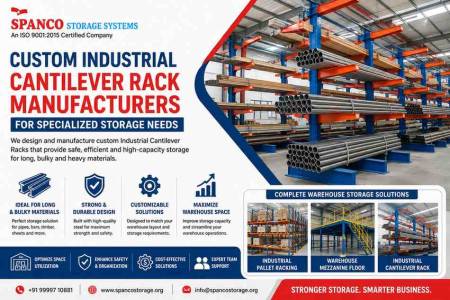
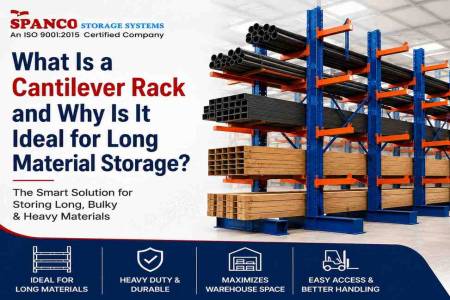
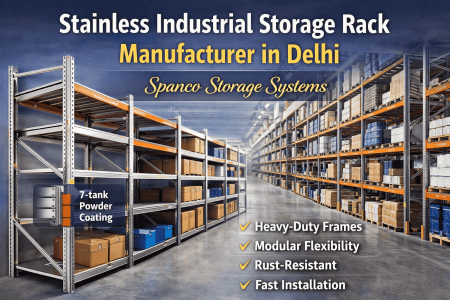
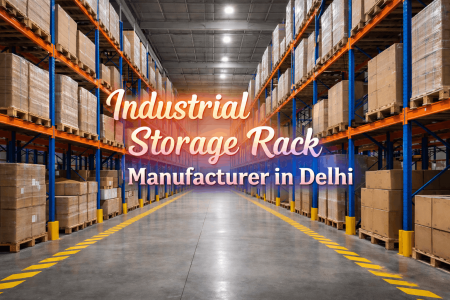
Heavy palletized goods may be better suited to properly designed pallet racking or an industrial storage rack.
A mezzanine can also support substantial loads when engineered for the intended application, but the total platform load, floor conditions, and structural capacity must be considered carefully.
Load capacity should never be estimated without proper engineering calculations.
Which Option Offers Better Accessibility?
Pallet racking can provide faster access to palletized goods when the correct forklift and aisle layout are available.
A mezzanine can provide convenient manual access to smaller goods stored on the upper level, but moving larger products between levels may require additional equipment or handling procedures.
The best solution depends on how frequently the inventory is accessed and how it is moved through the warehouse.
Which Storage Solution Is Easier to Expand?
Expansion depends heavily on the original system design.
Modular pallet racks can often be extended with additional bays or rack levels when space and load conditions allow.
Mezzanine structures can also be designed with future expansion in mind, although structural changes may require more detailed planning.
Businesses expecting growth should consider future inventory volume before installing either system.
What Questions Should You Ask Before Choosing?
Before selecting a mezzanine floor or pallet racking system, ask:
- What type of products are being stored?
- Are the products palletized?
- How heavy is the inventory?
- How frequently are items accessed?
- How much vertical clearance is available?
- Is forklift access required?
- Will employees work on the upper level?
- Do you need more storage positions or an additional floor?
- How much could inventory grow in the future?
Answering these questions can make it easier to identify which storage system is better suited to the warehouse.
Is a Mezzanine Floor or Pallet Racking Better for Your Warehouse?
There is no single solution that works best for every warehouse.
Pallet racking is generally more suitable when the main goal is to store palletized goods efficiently and provide direct forklift access.
A mezzanine floor can be a better option when the business needs an additional usable level for storage, shelving, packing, or operational activities.
The right choice depends on available space, inventory type, structural conditions, workflow, and future growth.
Spanco Storage Systems provides pallet racking, mezzanine flooring, industrial racks, and other warehouse storage solutions that can be configured according to different storage and operational requirements.