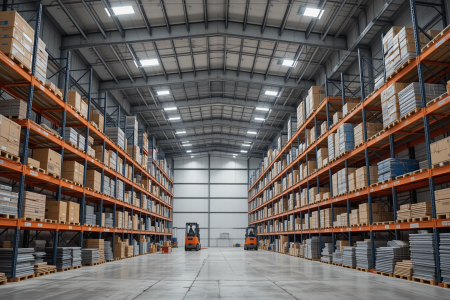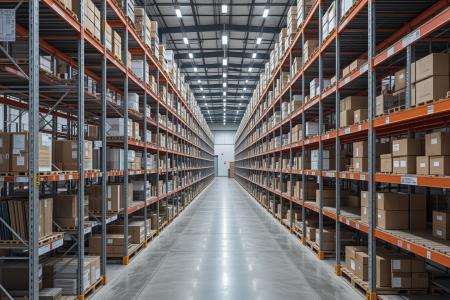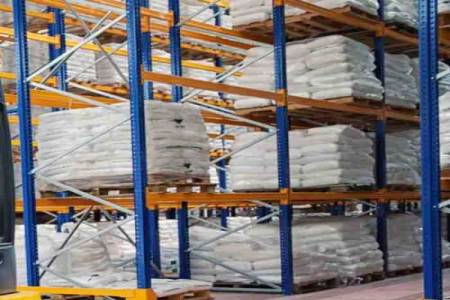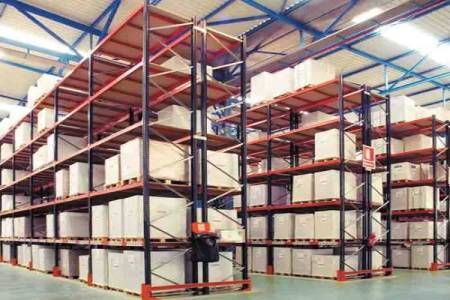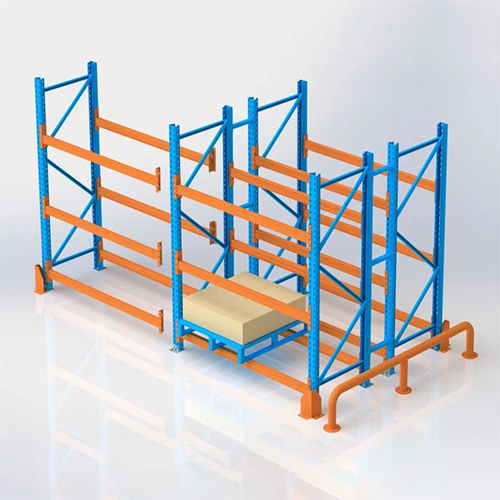

Choosing a pallet racking system is not simply about finding enough space to place pallets. The right system should support the weight of your inventory, make products easier to access, improve material movement, and use available warehouse height effectively.
A poorly planned rack layout can create blocked aisles, unused vertical space, difficult picking operations, and unnecessary material handling. A properly designed system, on the other hand, can help a warehouse organize inventory while supporting smoother everyday operations.
If your facility handles palletized or bulky materials, understanding your storage requirements before selecting a warehouse pallet rack can help you build a more practical long-term storage system.
What Should You Consider Before Choosing a Pallet Racking System?
Start with the inventory rather than the rack.
Different products require different storage configurations. Before deciding on rack dimensions, collect information about:
- Pallet dimensions
- Weight per pallet
- Maximum load per rack level
- Total number of pallets
- Product turnover rate
- SKU variety
- Loading and unloading frequency
- Forklift requirements
- Available ceiling height
- Warehouse floor space
This information helps determine how tall, deep, wide, and strong the racking system should be.
How Does Load Capacity Affect Pallet Rack Selection?
Load capacity is one of the most important considerations when selecting warehouse racks.
Every level should be designed according to the maximum expected load rather than the average weight normally stored there.
For example, if four pallets are stored on one beam level, calculate the combined maximum weight of all four pallets.
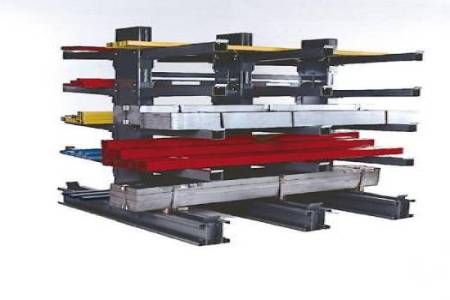
Businesses handling particularly heavy products may require an industrial storage rack configuration designed for higher loads.
Never exceed the manufacturer's stated rack capacity.
How Can Warehouse Height Be Used More Efficiently?
Many warehouses focus only on available floor area while leaving a large amount of usable space above the inventory.
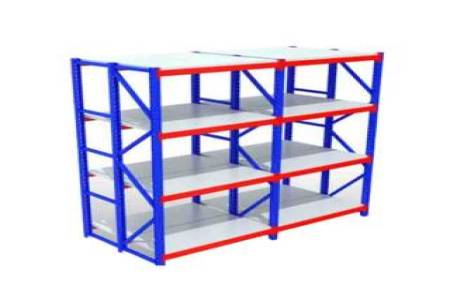
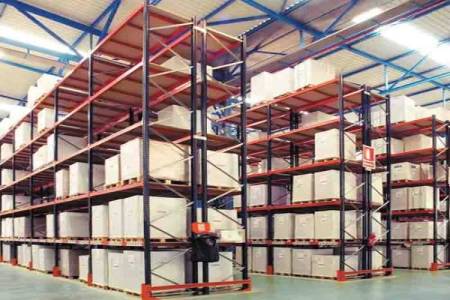
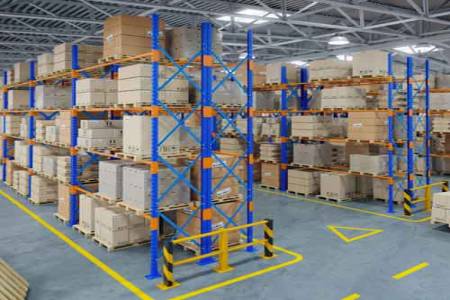
Pallet racking makes it possible to utilize vertical space by creating multiple storage levels.
Before increasing rack height, consider:
- Ceiling clearance
- Fire protection systems
- Lighting
- Forklift lifting height
- Product accessibility
- Structural requirements
- Safe operating clearance
The tallest possible rack is not automatically the best rack. The objective should be to balance storage density with practical accessibility.
How Important Is Aisle Width in a Pallet Racking Layout?
Aisles determine how efficiently workers and material-handling equipment can move through a warehouse.
Very wide aisles can consume valuable storage space. Aisles that are too narrow can make pallet movement difficult or unsuitable for the forklifts being used.
When planning aisle widths, consider:
- Forklift turning radius
- Pallet dimensions
- Loading direction
- Traffic frequency
- Worker movement
- Safety clearance
- Emergency access
The rack design and material-handling equipment should therefore be planned together rather than separately.
Should Frequently Moved Products Be Stored Differently?
Yes. Products with high inventory turnover should generally be positioned where they can be accessed quickly.
Frequently moved goods may be stored:
- Closer to dispatch areas
- At easily accessible rack levels
- Along high-activity picking routes
- In dedicated fast-moving inventory zones
Slow-moving inventory can often be placed in less accessible or higher storage positions.
This type of zoning can reduce unnecessary travel inside the warehouse.
What Is the Difference Between Pallet Storage and Manual Shelving?
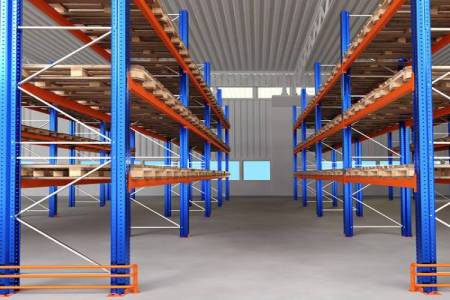
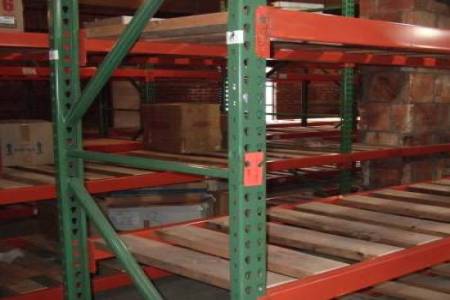
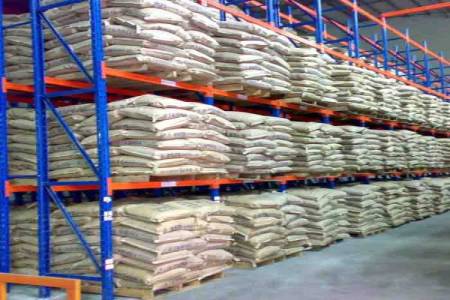
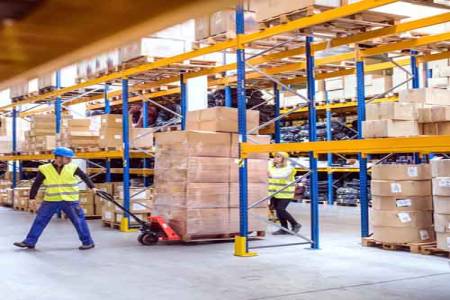
Pallet racking is generally designed for palletized goods that are handled using forklifts or other material-handling equipment.
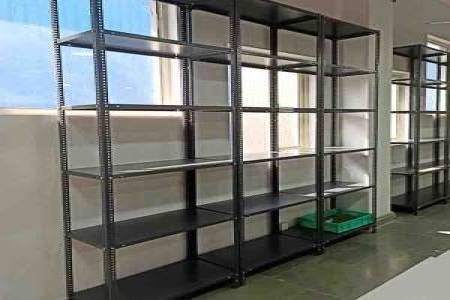
Manual shelving is more appropriate for:
- Small cartons
- Components
- Spare parts
- Tools
- Individually picked products
Businesses handling a combination of palletized and manually picked inventory may benefit from using different storage systems within the same warehouse.
An industrial shelving system can be used for smaller products while pallet racks handle heavier or bulk inventory.
Can Pallet Racks Be Customized for Different Warehouses?
Yes. Warehouse dimensions, inventory weight, pallet sizes, and operating processes vary from one facility to another.
Customized systems may include changes to:
- Rack height
- Beam width
- Rack depth
- Number of storage levels
- Load capacity
- Bay configuration
- Surface finish
- Layout
Customization becomes particularly valuable when standard rack dimensions leave unused space or do not match the products being stored.
How Should Future Business Growth Affect Your Rack Design?
A warehouse layout should not be designed only for today's inventory.
Consider how storage requirements could change over the next several years.
- Could inventory volume increase?
- Will additional SKUs be introduced?
- Could pallet dimensions change?
- Will another warehouse area be added?
- Can additional rack bays be installed later?
Expandable and modular systems may make future changes easier than completely redesigning the warehouse.
What Mistakes Should You Avoid When Buying Pallet Racks?
Common mistakes include:
- Selecting racks without checking load capacity
- Ignoring forklift requirements
- Using too much floor space for aisles
- Failing to use vertical space
- Selecting rack dimensions before measuring pallets
- Overlooking future inventory growth
- Storing loads above rated capacity
- Installing racks without proper planning
A storage system should be selected according to the actual operating environment rather than price or rack dimensions alone.
How Do You Know Which Pallet Rack Is Right for Your Warehouse?
The best pallet rack is the system that matches the weight, dimensions, turnover rate, handling method, and accessibility requirements of your inventory.
A warehouse handling large quantities of palletized products will have very different requirements from a facility storing smaller cartons or components.
Spanco Storage Systems provides warehouse and industrial storage solutions that can be configured according to available space, material type, and load requirements.
The most effective starting point is a detailed assessment of your inventory and warehouse layout before choosing the final rack configuration.