Are you planning to install new warehouse racks or upgrade an existing storage facility? Requesting quotations without complete specifications can lead to incorrect rack dimensions, unsuitable load capacities, and unexpected installation costs.
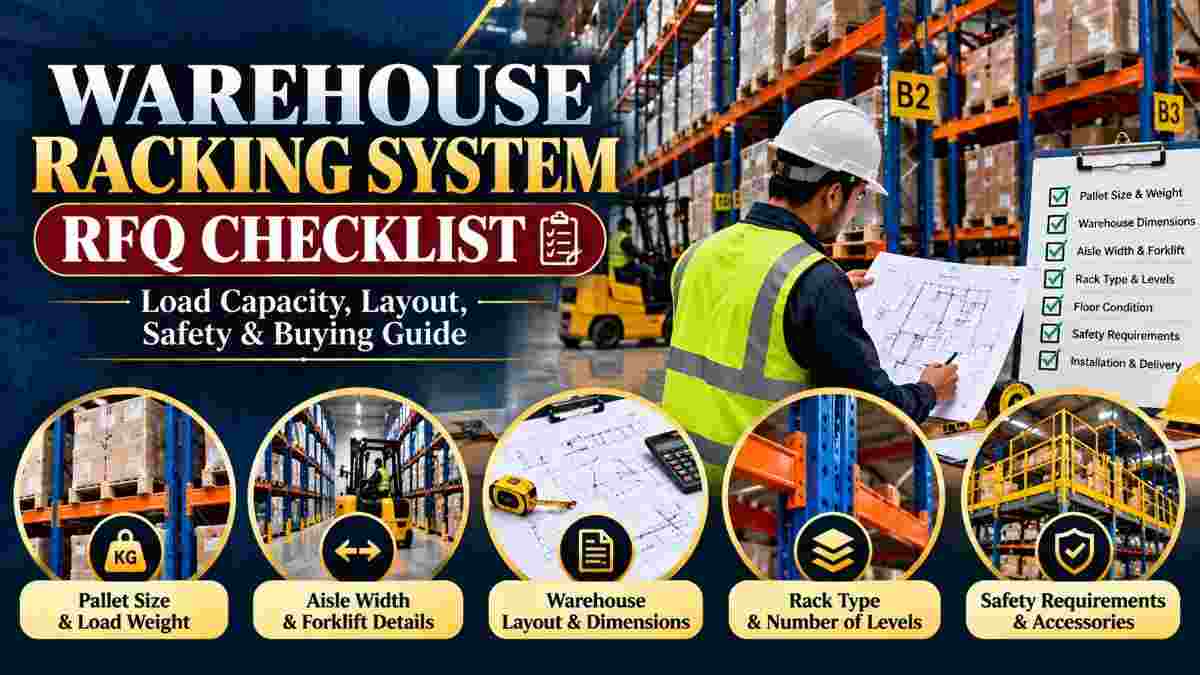
A warehouse racking system RFQ should include warehouse dimensions, pallet size, maximum load weight, required storage capacity, forklift specifications, floor conditions, safety requirements, and installation details.
Providing accurate information helps manufacturers propose suitable layouts and prepare more reliable quotations.
Spanco Storage Systems manufactures industrial storage racks and customized pallet racking systems for warehouses and manufacturing facilities.
What Is a Warehouse Racking System RFQ?
A warehouse racking system RFQ is a request for quotation that outlines the technical and commercial requirements for purchasing industrial storage racks.
It helps manufacturers understand:
-
Storage requirements.
-
Rack dimensions.
-
Inventory characteristics.
-
Load capacity.
-
Warehouse layout.
-
Handling equipment.
-
Installation conditions.
-
Project timelines.
A detailed RFQ makes supplier quotations easier to compare.
Why Are Accurate Warehouse Racking Specifications Important?
Accurate specifications help ensure that the proposed racking system matches the warehouse's actual loads, available space, and material-handling requirements.
Incomplete information can result in:
-
Incorrect rack dimensions.
-
Insufficient load capacity.
-
Incompatible forklift aisles.
-
Unnecessary storage limitations.
-
Installation complications.
-
Additional project costs.
Approved engineering drawings should confirm the final design before manufacturing.
What Warehouse Dimensions Should You Provide?
Provide the warehouse's internal length, width, clear height, column positions, access points, and major obstructions.
Important measurements include:
-
Total floor area.
-
Usable clear height.
-
Column spacing.
-
Door dimensions.
-
Loading dock positions.
-
Existing equipment.
-
Fire protection installations.
-
Emergency access routes.
A warehouse floor plan or CAD drawing can help manufacturers prepare a suitable layout.
How Do You Specify Pallet Dimensions and Weight?
Pallet specifications should include overall dimensions, maximum loaded weight, loaded height, construction type, and handling direction.
Provide:
-
Pallet length and width.
-
Maximum loaded pallet height.
-
Maximum gross pallet weight.
-
Pallet entry direction.
-
Load overhang.
-
Expected load distribution.
-
Number of pallets.
The maximum loaded weight should include the pallet and its contents.
Explore Pallet Racking Systems for relevant storage configurations.
How Do You Determine Warehouse Rack Load Capacity?
Warehouse rack capacity must be calculated using the maximum stored load, beam span, rack configuration, number of levels, and structural design.
Important information includes:
-
Maximum load per pallet.
-
Loads per beam level.
-
Number of storage levels.
-
Rack bay width.
-
Frame height.
-
Load distribution.
-
Required safety factors.
Ask the manufacturer for engineered load ratings for the proposed configuration.
Do not assume that changing beam heights or rack dimensions will preserve the original capacity.
Which Warehouse Racking System Should You Request?
The appropriate racking system depends on inventory type, storage density, stock rotation, handling equipment, and accessibility requirements.
Common options include:
-
Selective pallet racking.
-
Double-deep pallet racking.
-
Heavy-duty storage racks.
-
Long-span shelving.
-
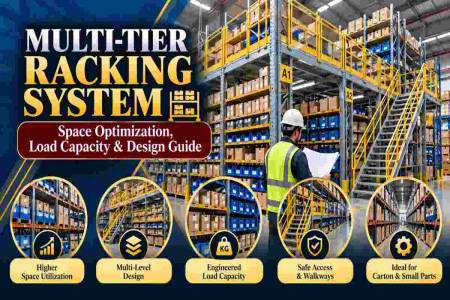
Multi-tier racking.
-
Specialized industrial racks.
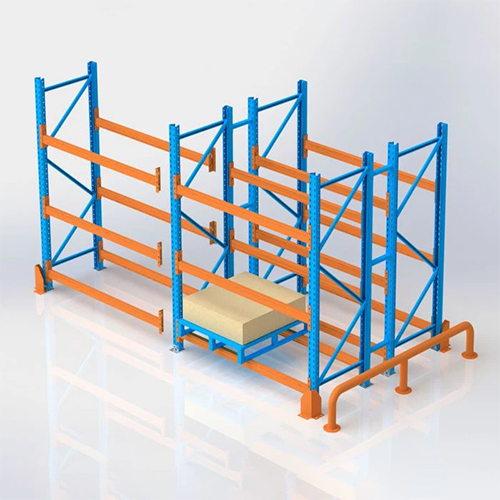
Selective pallet racking offers direct access to individual pallet positions, while other configurations may prioritize storage density.
Review Warehouse Storage Racks to explore suitable options.
Why Should You Include Forklift Specifications in an RFQ?
Forklift specifications are essential because they influence aisle width, rack height, pallet access, and safe warehouse operations.
Provide:
-
Forklift type.
-
Manufacturer and model.
-
Required operating aisle width.
-
Maximum lifting height.
-
Load capacity at the required lift height.
-
Turning requirements.
-
Pallet handling method.
A narrow aisle cannot be specified safely without considering the actual handling equipment.
What Floor Specifications Are Required for Warehouse Racking?
Floor specifications help engineers assess whether the warehouse slab and foundations can safely support the proposed racking system.
Relevant details include:
-
Concrete slab thickness.
-
Floor condition.
-
Available structural drawings.
-
Concrete strength, where known.
-
Levelness.
-
Floor joints.
-
Existing damage.
-
Embedded services.
A qualified engineer should verify floor suitability and anchoring requirements.
What Safety Requirements Should Be Included?
A warehouse racking RFQ should identify applicable structural standards, loading requirements, rack protection, emergency access, and inspection documentation.
Important considerations include:
-
Relevant design standards.
-
Seismic requirements where applicable.
-
Rack load signs.
-
Upright protection.
-
End-of-aisle barriers.
-
Suitable anchoring.
-
Fire protection clearances.
-
Emergency access.
-
Installation inspection.
Do not assume every accessory is included in the base quotation.
How Should You Specify Warehouse Storage Capacity?
Storage capacity should be expressed using the required pallet positions, inventory quantity, and expected operational demand.
Provide:
-
Current pallet quantity.
-
Required pallet positions.
-
Number of SKUs.
-
Inventory turnover.
-
Seasonal storage variation.
-
Expected future expansion.
Higher storage density should not come at the expense of necessary accessibility or safe operating clearances.
What Information Is Needed for Cold Storage or Humid Warehouses?
Cold and humid warehouses require additional information about temperature, condensation, cleaning procedures, and corrosion exposure.
Include:
-
Operating temperature range.
-
Humidity conditions.
-
Exposure to cleaning chemicals.
-
Condensation risks.
-
Required protective finish.
-
Refrigeration airflow constraints.
Material specifications should match the actual operating environment.
What Should a Warehouse Racking Quotation Include?
A complete quotation should describe the proposed configuration, material specifications, engineered capacities, safety accessories, delivery scope, and installation responsibilities.
Ask suppliers to clarify:
-
Rack type and dimensions.
-
Storage positions.
-
Beam and frame specifications.
-
Load capacities.
-
Protective finish.
-
Safety accessories.
-
Technical drawings.
-
Transportation.
-
Installation.
-
Inspection documentation.
-
Warranty terms.
-
Commercial conditions.
Compare suppliers using the same technical requirements.
What Factors Affect Warehouse Racking System Prices?
Warehouse racking prices depend on the system design, steel requirements, storage capacity, dimensions, protective finishes, and installation scope.
Key cost factors include:
-
Number of bays.
-
Number of levels.
-
Load requirements.
-
Rack height.
-
Material specifications.
-
Safety accessories.
-
Site conditions.
-
Transportation.
-
Installation.
The lowest initial quotation may not represent the most suitable long-term solution.
Why Should Buyers Consider Spanco Storage Systems?
Spanco Storage Systems offers industrial storage racks and made-to-order pallet racking configurations for warehouse applications.
Its product range includes warehouse storage racks, pallet racking systems, heavy-duty racks, and specialized storage solutions.
Buyers can review Pallet Racking Systems and Warehouse Storage Racks.
Final dimensions, load capacities, finishes, and manufacturing specifications should be confirmed through approved quotations and drawings.
What Are the Most Frequently Asked Questions About Warehouse Racking RFQs?
Warehouse buyers commonly ask about load specifications, layout drawings, forklift information, customization, and quotations.
Can You Request a Warehouse Racking Quote Without Drawings?
Yes. Preliminary quotations may be possible using measurements and project details, but final design approval may require accurate drawings or a site survey.
How Do You Calculate Pallet Racking Capacity?
Capacity depends on maximum pallet weight, beam span, frame configuration, load distribution, and engineered design.
Are Forklift Specifications Necessary?
Yes. Forklift dimensions and capabilities influence aisle requirements, storage height, and operational safety.
Can Warehouse Racking Systems Be Customized?
Yes. Manufacturers may customize dimensions, configurations, and finishes according to approved technical requirements.
Should Installation Be Included in the Quotation?
Installation responsibilities should be clearly stated, including anchoring, inspection, transportation, and any excluded work.
How Can You Request a Warehouse Racking Quotation From Spanco Storage Systems?
You can request a warehouse racking quotation by sharing your warehouse drawings, pallet dimensions, maximum load weights, required storage capacity, and handling equipment details.
A complete RFQ helps manufacturers evaluate the project and recommend an appropriate racking configuration.
Explore Pallet Racking Systems, review Warehouse Storage Racks, or contact Spanco Storage Systems for a quotation.
Technical Note: Warehouse racking systems require application-specific engineering, approved load ratings, floor suitability assessment, and compliance with applicable safety requirements.