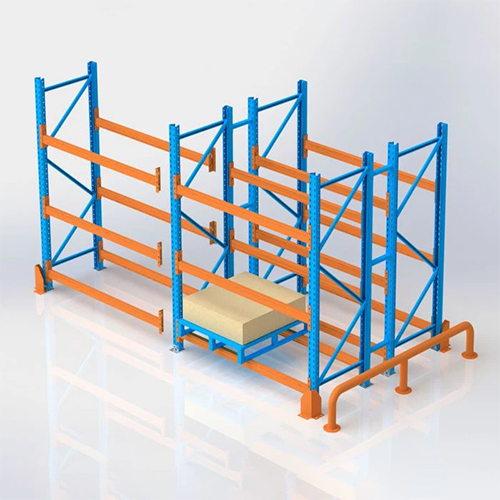

Are you looking for a reliable way to store heavy drums in your warehouse, factory, or chemical processing facility? Improper drum storage can create problems with space utilization, material handling, leakage, and workplace safety.
Choosing the right industrial drum storage rack requires checking drum dimensions, filled weight, storage orientation, rack load capacity, chemical compatibility, spill containment, and material-handling requirements.
A suitable racking system can improve inventory organization and provide easier access to stored materials. However, the rack must be designed for the actual load and operating conditions.
Spanco Storage Systems offers industrial drum storage racks and customized storage solutions for warehouses and manufacturing facilities.
What Is an Industrial Drum Storage Rack?
An industrial drum storage rack is a steel storage structure designed to hold drums in a stable and organized arrangement within warehouses and factories.
These racks may accommodate vertical or horizontal drum storage, depending on their design.
Common applications include:
-
Chemical manufacturing facilities.
-
Lubricant warehouses.
-
Paint manufacturing units.
-
Industrial production plants.
-
Oil storage areas.
-
Raw material warehouses.
Explore Drum Storage Racks for available configurations.
What Are the Different Types of Drum Storage Racks?
Common drum storage arrangements include vertical storage racks, horizontal drum racks, chemical drum racks, and pallet-based storage systems.
When Should You Choose a Vertical Drum Storage Rack?
Vertical drum storage racks are suitable when drums are intended to remain upright during storage and handling.
Important considerations include drum stability, load capacity, forklift access, and safe retrieval.
When Should You Choose a Horizontal Drum Storage Rack?
Horizontal drum racks support drums on their sides and may be useful for approved storage or dispensing applications.
The arrangement should include suitable restraints and containment where necessary.
Not every drum or chemical can be safely stored horizontally.
When Should You Choose a Chemical Drum Storage Rack?
Chemical drum storage racks should be selected when the stored materials require additional consideration of chemical hazards, segregation, corrosion protection, and spill containment.
Explore Chemical Drum Storage Racks for related storage solutions.
How Do You Calculate Drum Storage Rack Load Requirements?
Rack load requirements should be calculated using the maximum filled weight of each drum, the number of drums stored, and the intended load distribution.
For example, a drum's total weight includes its container and contents.
Before selecting a rack, provide:
-
Drum capacity.
-
Empty drum weight.
-
Maximum filled weight.
-
Number of drums per level.
-
Number of storage levels.
-
Loading arrangement.
-
Handling equipment.
Request an engineered load rating for the complete rack configuration.
Never assume that a rack can safely support a given number of drums based only on its appearance.
Which Materials Are Suitable for Drum Storage Racks?
Steel is commonly used for industrial drum racks because it can be engineered for demanding storage loads.
Material selection should consider:
-
Structural steel specifications.
-
Protective coating.
-
Environmental exposure.
-
Chemical compatibility.
-
Corrosion conditions.
-
Maintenance requirements.
A protective finish that performs well in a dry warehouse may not be appropriate for exposure to aggressive chemical spills.
How Should You Store Chemical Drums Safely?
Chemical drums should be stored according to their contents, safety data sheets, compatibility requirements, containment needs, and applicable facility regulations.
Important precautions include:
-
Identify and label all drums.
-
Review safety data sheets.
-
Segregate incompatible substances.
-
Maintain appropriate ventilation.
-
Provide required spill containment.
-
Keep emergency access routes clear.
-
Use suitable handling equipment.
-
Inspect drums and racks regularly.
Separate chemicals when their properties create risks of hazardous reactions.
Why Is Spill Containment Important for Drum Storage?
Spill containment helps prevent leaked liquids from spreading into work areas, drains, or the surrounding environment.
Depending on the substances and applicable requirements, containment measures may include:
-
Bunded storage areas.
-
Compatible spill pallets.
-
Collection trays.
-
Dedicated containment systems.
-
Spill-response equipment.
The required containment capacity and materials depend on the stored liquids and regulations.
A steel rack alone should not be assumed to provide adequate spill containment.
How Do You Plan a Drum Storage Rack Layout?
Plan drum rack layouts around safe handling, aisle access, inventory movement, emergency access, and the warehouse's structural conditions.
Check:
-
Warehouse dimensions.
-
Available clear height.
-
Floor load capacity.
-
Forklift dimensions.
-
Aisle width.
-
Drum handling method.
-
Storage quantity.
-
Emergency routes.
-
Spill containment requirements.
The arrangement should support safe loading and unloading without creating unnecessary handling risks.
What Safety Features Should Industrial Drum Storage Racks Have?
Industrial drum racks should provide suitable structural stability, secure drum positioning, and protection against foreseeable handling damage.
Relevant features may include:
-
Engineered load ratings.
-
Drum restraints.
-
Suitable support members.
-
Secure connections.
-
Floor anchoring where required.
-
Rack protection barriers.
-
Clearly displayed load limits.
Additional measures may be necessary for hazardous materials.
How Should Drum Storage Racks Be Maintained?
Drum storage racks require routine inspection for structural damage, corrosion, loose components, and unsafe loading conditions.
Inspect:
-
Uprights and beams.
-
Connections.
-
Anchoring.
-
Drum supports.
-
Protective coatings.
-
Impact damage.
-
Overloading.
-
Leakage around stored drums.
Damaged racks should be assessed and isolated when necessary before further use.
What Factors Affect Industrial Drum Storage Rack Prices?
Drum storage rack prices depend on dimensions, load requirements, number of levels, materials, protective finishes, and installation specifications.
Important cost factors include:
-
Number of drums.
-
Maximum drum weight.
-
Rack configuration.
-
Steel requirements.
-
Corrosion protection.
-
Customization.
-
Installation.
-
Transportation.
-
Safety accessories.
Compare quotations using consistent technical specifications.
What Should You Include in a Drum Storage Rack RFQ?
A drum storage rack quotation request should describe the drums, stored materials, load requirements, warehouse conditions, and installation needs.
Use this checklist:
-
Application: Chemical, lubricant, oil, or other industrial storage.
-
Drum size: Capacity and external dimensions.
-
Maximum weight: Filled weight per drum.
-
Quantity: Number of drums to store.
-
Orientation: Vertical or horizontal.
-
Warehouse: Available dimensions and clear height.
-
Handling: Forklift, drum trolley, or other equipment.
-
Environment: Indoor, outdoor, or corrosive exposure.
-
Safety: Containment and segregation requirements.
-
Installation: Site location and foundation details.
-
Documentation: Load ratings and approved drawings.
-
Delivery: Required quantity and schedule.
Providing complete specifications helps manufacturers prepare accurate quotations.
Why Should Buyers Consider Spanco Storage Systems for Drum Racks?
Spanco Storage Systems offers industrial drum storage rack configurations that buyers can evaluate for warehouse and manufacturing applications.
Its website describes steel rack construction, adjustable arrangements, vertical and horizontal storage options, and customized solutions.
Explore:
Confirm available dimensions, engineered capacities, protective finishes, and installation requirements before placing an order.
What Are the Most Frequently Asked Questions About Industrial Drum Storage Racks?
Common questions concern drum orientation, load capacity, chemical storage, safety, and customization.
Can Industrial Drum Racks Store Chemical Drums?
Yes, when the complete storage arrangement is suitable for the chemicals, drum construction, loads, and applicable safety requirements.
Can Drums Be Stored Horizontally?
Some drums can be stored horizontally using suitable racks, but compatibility with the container and contents must be verified.
How Much Weight Can a Drum Storage Rack Hold?
Capacity depends on the engineered rack design, dimensions, materials, connections, and load distribution.
Do Chemical Drum Racks Require Spill Containment?
Containment requirements depend on the stored substance, applicable regulations, and facility risk assessment.
Can Drum Storage Racks Be Customized?
Yes, manufacturers may offer customized dimensions and configurations based on approved technical requirements.
Are Drum Storage Racks Suitable for Outdoor Warehouses?
They may be suitable when the complete rack system, corrosion protection, foundations, and storage conditions are designed for outdoor exposure.
How Can You Request an Industrial Drum Storage Rack From Spanco Storage Systems?
You can request a drum storage rack quotation by sharing drum dimensions, maximum filled weight, storage quantity, warehouse layout, and handling requirements.
For chemical storage applications, include material compatibility information and spill containment specifications.
Explore Industrial Drum Storage Racks or contact Spanco Storage Systems to discuss your project requirements.
Safety Note: Drum rack selection and installation require application-specific engineering. Hazardous chemical storage must follow applicable regulations, safety data sheets, material segregation requirements, and approved facility procedures.